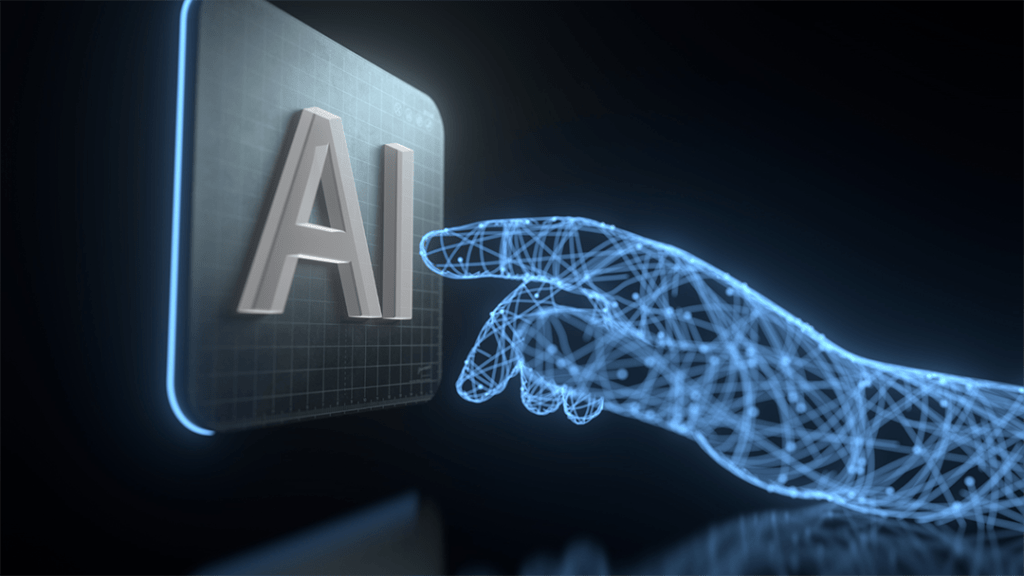
As artificial intelligence (AI) continues to evolve and integrate into various aspects of our lives, it raises an important question: Can AI truly replace human workers? While AI has made significant advancements in automating tasks and analyzing data, there are fundamental differences between AI and human capabilities that make complete replacement unlikely.
One of the biggest weaknesses of AI is ethics – the ability to make moral judgments and decisions based on values and principles. While AI can process vast amounts of information and perform tasks with speed and accuracy, it lacks the ethical judgment and emotional intelligence that humans possess. Human workers bring a unique perspective and intuition to their roles, making them indispensable in many industries. AI doesnt have that “human touch” – the ability to empathize, understand complex emotions, and make ethical decisions.
Here’s also where research suggests a powerful future:
Rather than complete replacement, AI has the potential to work alongside humans in a complementary way.
A study by Mckinsey & Company found that AI is likely to create more jobs than it destroys. This highlights the importance of fostering skills that complement AI, such as critical thinking, creativity, and social intelligence.
However, the potential of AI is vast, and ongoing advancements in technology continue to blur the lines between human and machine capabilities. It’s essential to consider the potential future developments of AI. As AI systems become more sophisticated and integrated into our society, what if, in the future, AI could think and develop like humans?
Feeling confused by the ever-changing world of technology? Schedule a 15-minute consultation with me to discuss your specific needs and goals. Book your consultation here!